

Founded in 1976
PASCO was founded in 1976 by two engineers working for Monsanto who saw a safety problem firsthand. Handling 55-gallon drums that weighed 400 to 500 pounds was getting their people hurt, so they built a hydraulic palletizing machine that could take that work out of the process.
Injuries decreased, money was saved on payroll, and it set the standard for how we work: build what works and follow through.
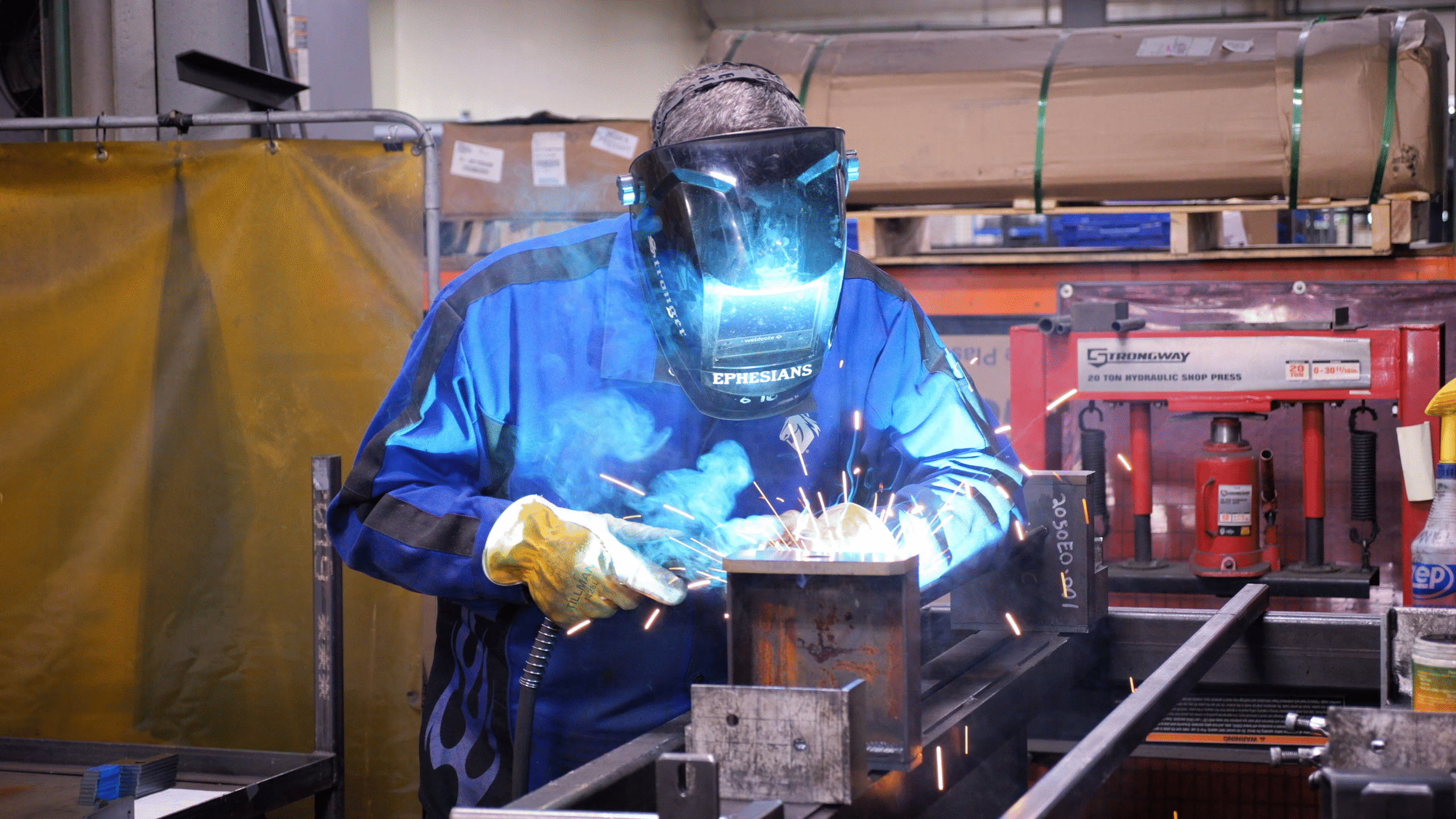
From 1976 to 2004
Through the next few decades, the focus stayed on end-of-line automation and on building equipment that would hold up in demanding manufacturing environments.
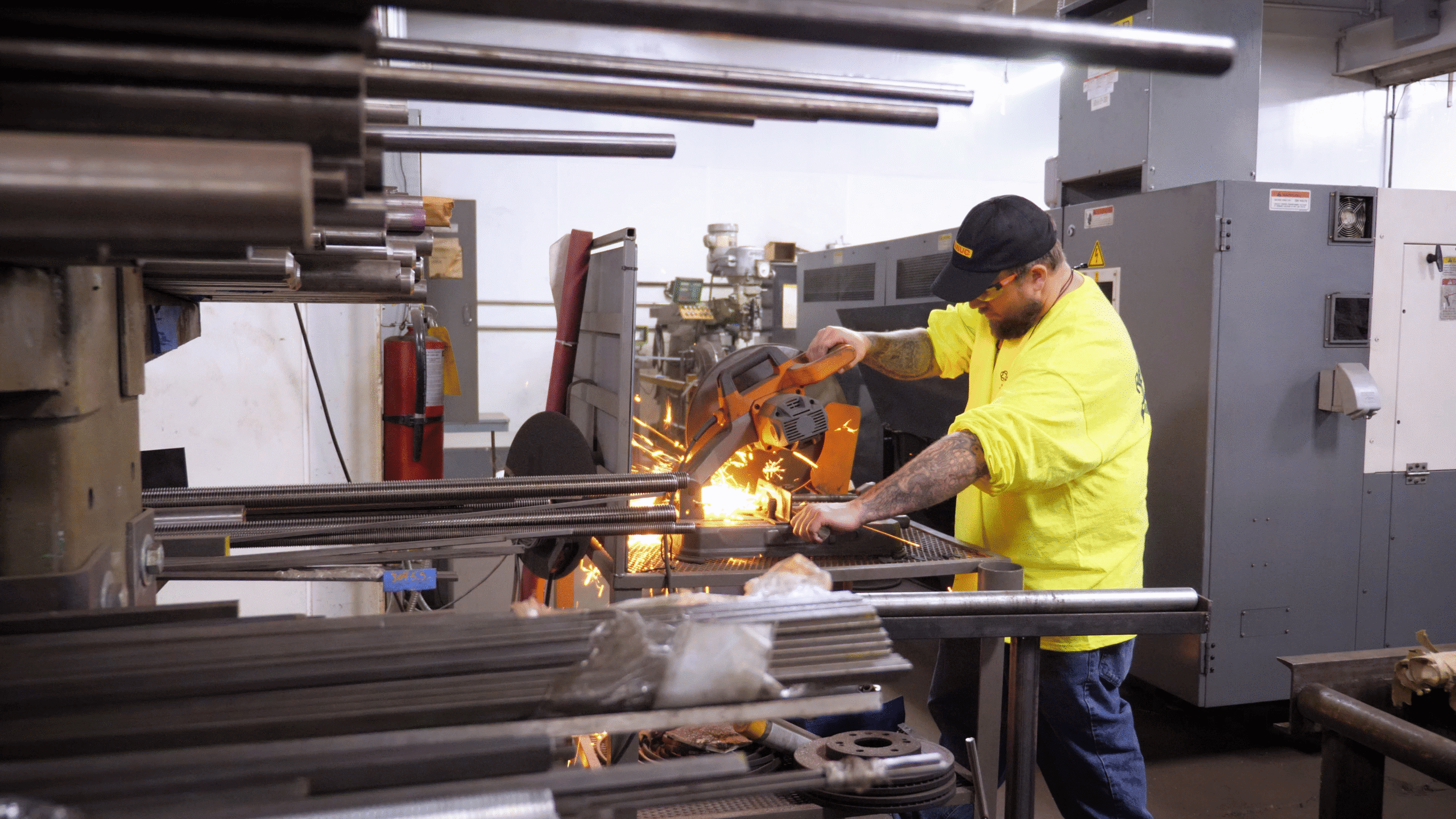
We remained one of the few integrators that was also a true manufacturer, which meant the work stayed hands-on. Fabrication, welding, grinding and cutting stayed a part of everyday life. Over time, newer manufacturing technologies came in around that foundation, but our core approach stayed the same.
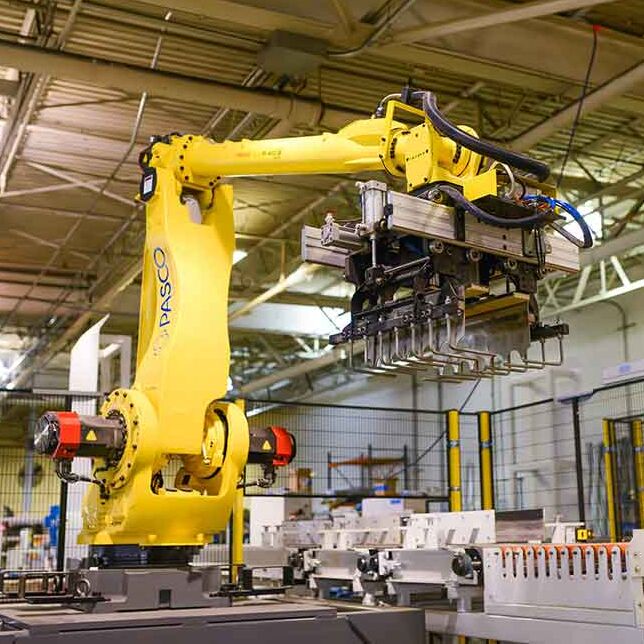
First robotic integration in 2004
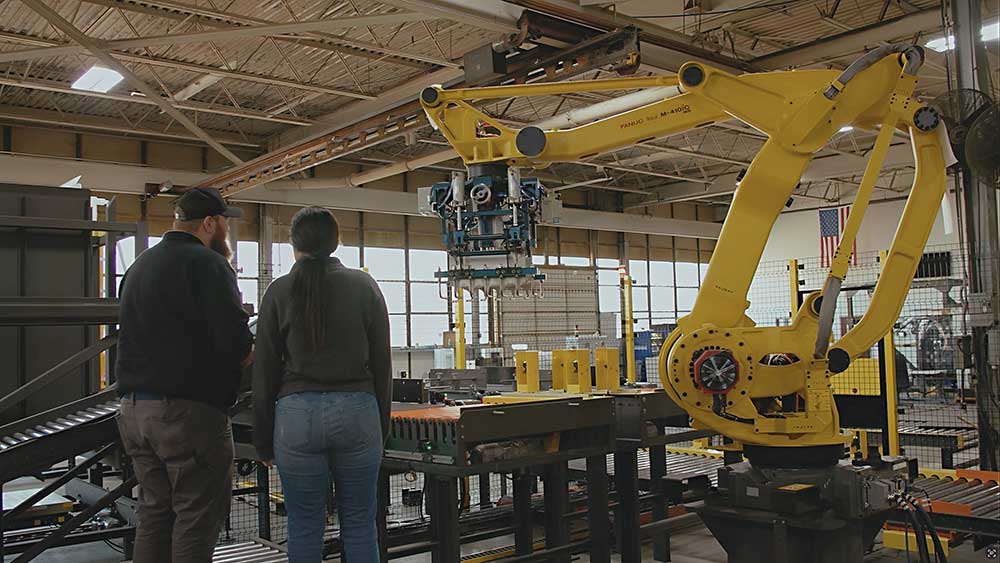
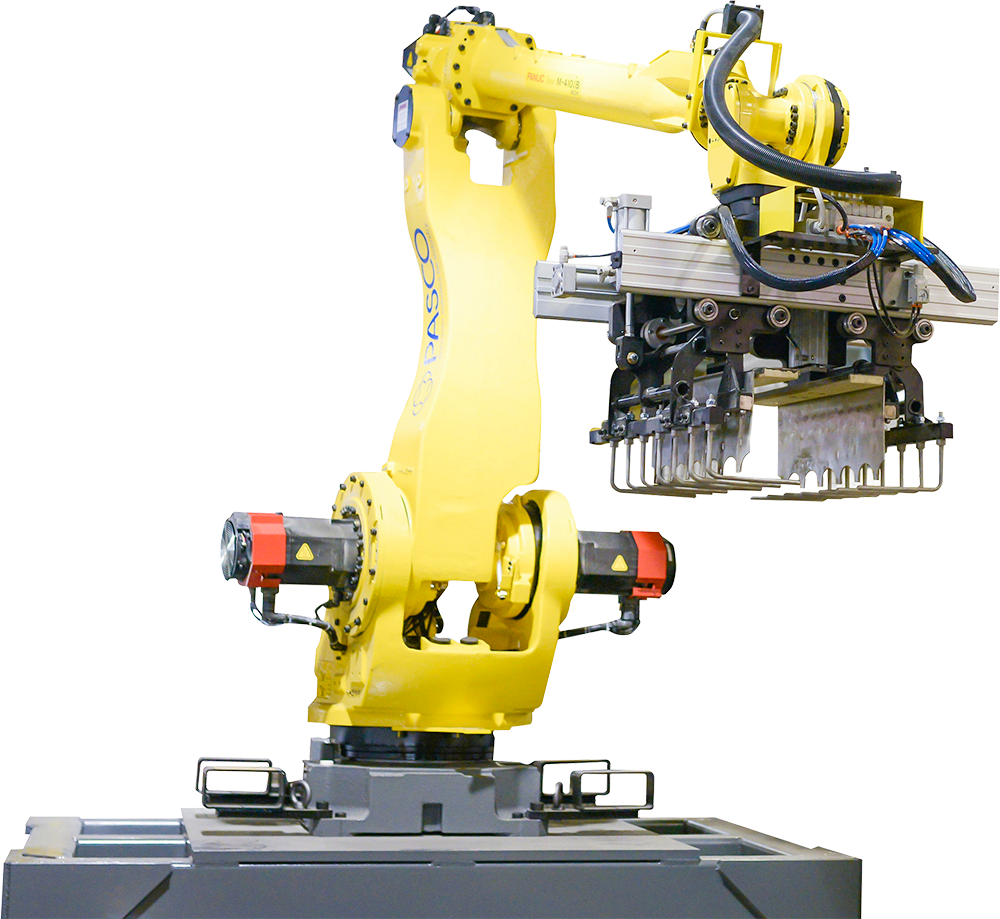
We integrated our first robot in 2004. The market was mixed at the time with a lot of hesitation driven by unfamiliarity. Robotics expanded what could be solved and introduced a different level of speed and repeatability.
Once the bottleneck at the end of the packaging line was removed, it opened the door for more automation and efficiency across the rest of the facility.
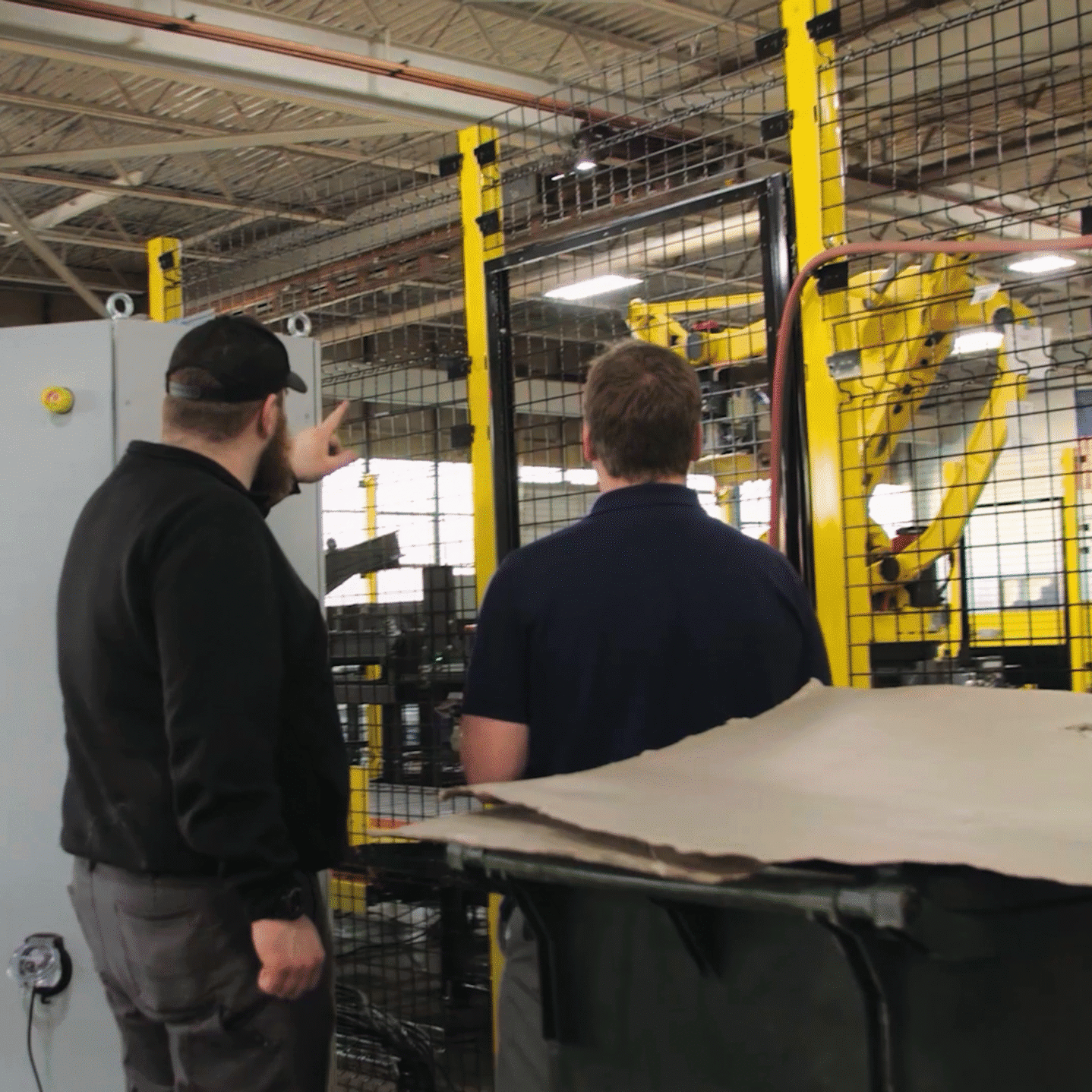
From 2004 to 2023
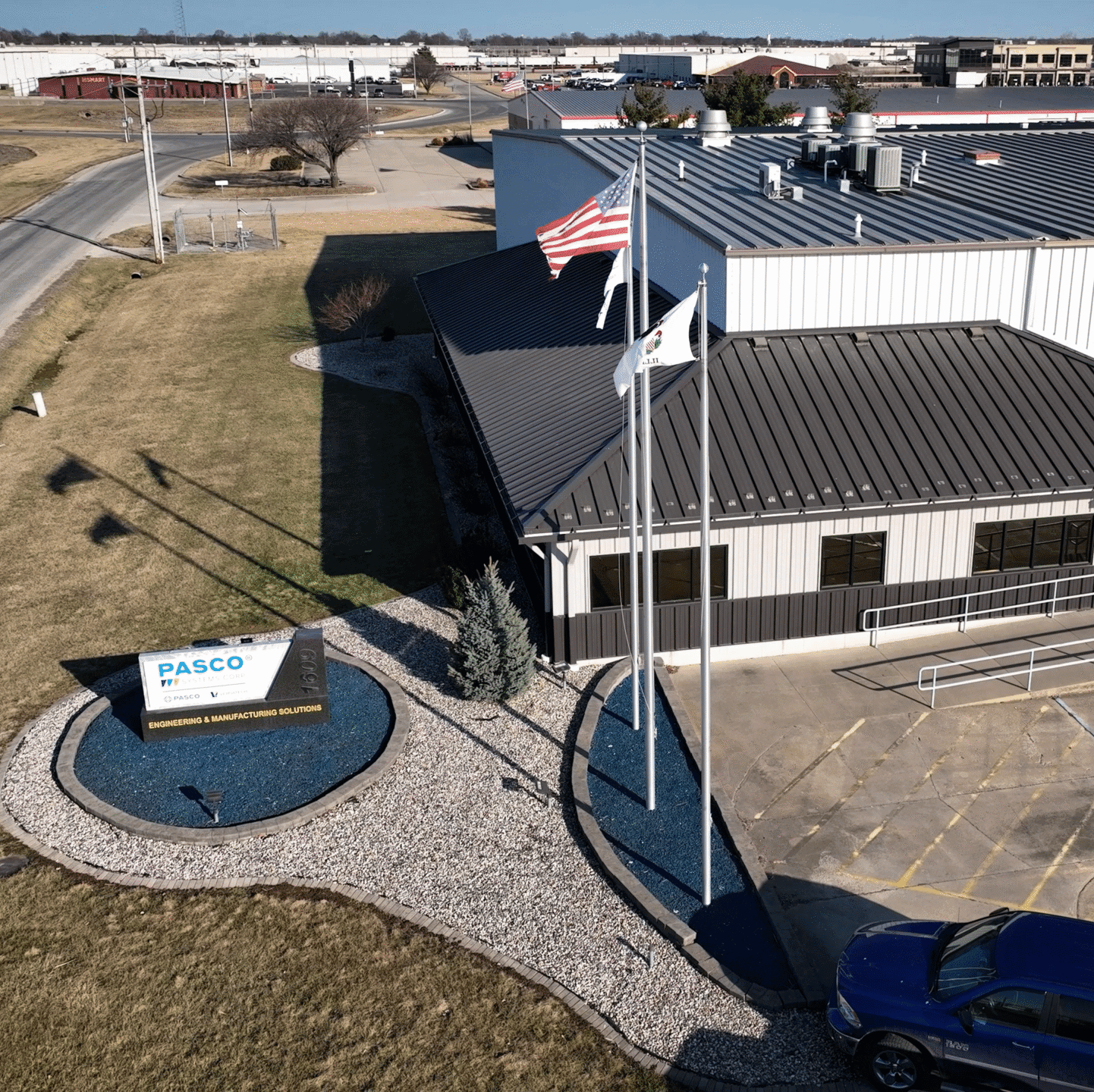
Acquired Versatech in 2023
In 2023, we acquired Versatech to expand beyond end-of-line automation into manufacturing process automation. It opened up a larger portion of the automation market and expanded what types of work we could take on.
It also strengthened the partnership side of the work. Customers could carry more of their automation roadmap with the same team, instead of switching partners once the scope moved upstream.
Still building today
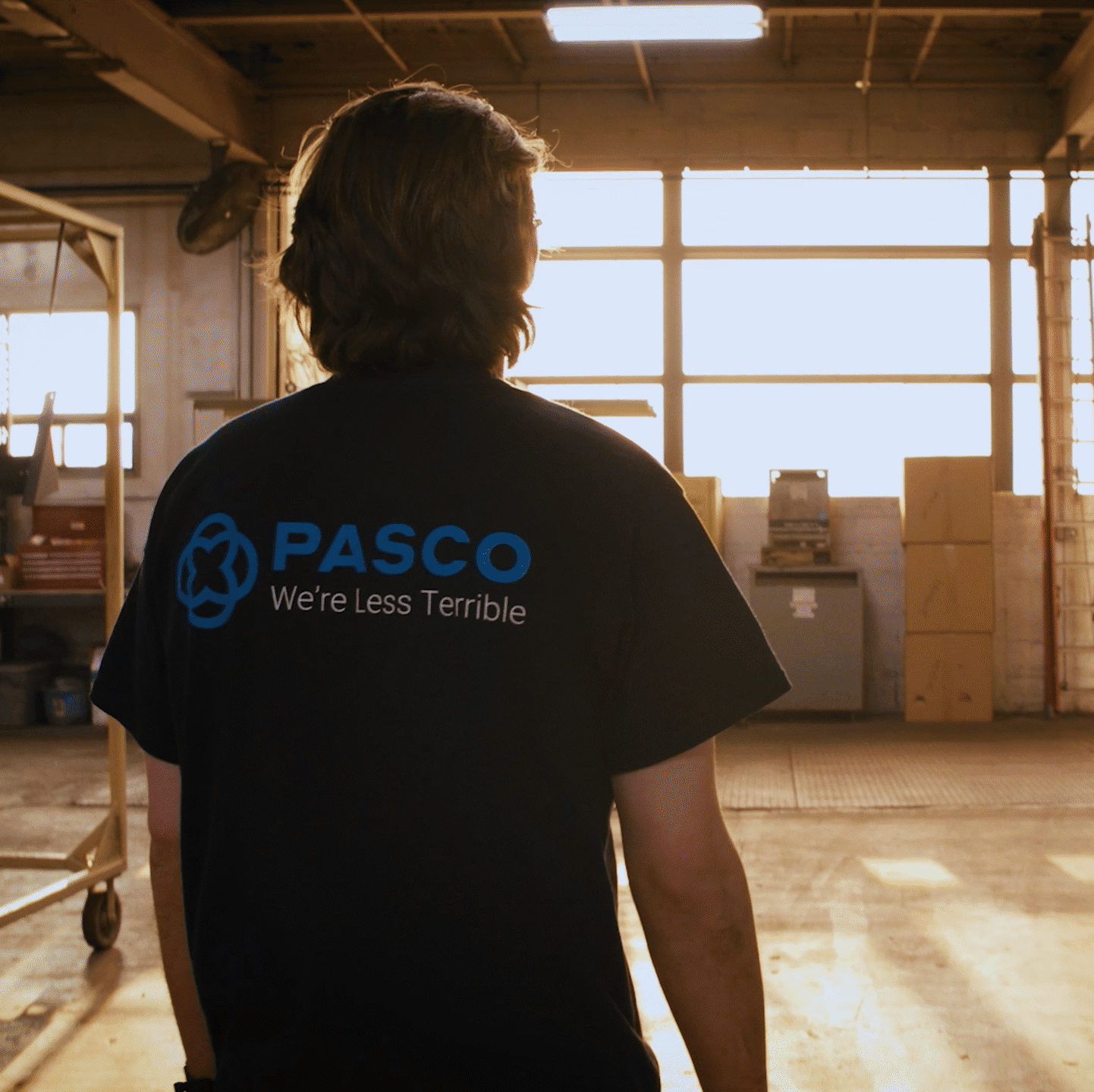
Fifty years in, the expectations remain simple. Build equipment that holds up, stay available, and keep customers running. We call it being less terrible, and it is how we try to show up every day.





2600 S Hanley Rd. #430
St. Louis, MO 63144
314-781-2212
Sign up to receive PASCO news and updates.

© 2026 PASCO® – A proud Pasco Systems Corp brand