Frequently Asked Questions
Can a keg palletizer be customized for specific brewery needs?
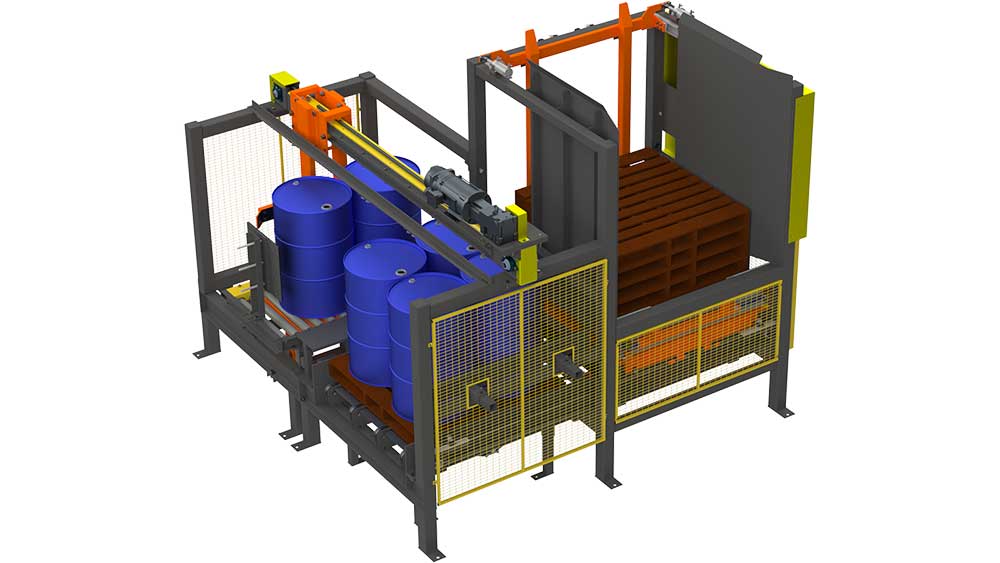
Yes, PASCO's keg palletizers can be customized to meet the specific needs of individual breweries, ensuring efficient and tailored keg handling solutions.
What types of keg handling equipment are commonly used in breweries?
The types of keg handling equipment commonly used in breweries include automated keg palletizers, depalletizers, conveyors, and other automated systems designed to efficiently manage the movement and storage of kegs in a wet brewery environment.
How does a keg palletizer increase packaging efficiency?
A keg palletizer increases packaging efficiency by automating the process of stacking kegs onto pallets, reducing manual labor and enhancing throughput in a brewing operation.
What safety features do keg palletizers typically include?
Keg palletizers typically include safety features such as guarding, emergency stops, and sensor-based controls to protect workers and ensure smooth, reliable operation in a wet brewing environment.
What are the benefits of automated keg palletizing?
The benefits of automated keg palletizing include increased efficiency, reduced labor costs, and improved workplace safety by minimizing manual handling of heavy kegs in a wet brewing environment.
How does a keg palletizer reduce labor costs?
A keg palletizer reduces labor costs by automating the process of stacking kegs onto pallets, eliminating the need for manual labor and increasing the efficiency of keg handling operations.
What is the function of a keg palletizer in a brewery?
The function of a keg palletizer in a brewery is to automatically stack and arrange filled kegs onto pallets, enhancing efficiency and reducing manual handling in the brewing operation.
What customization options exist for keg palletizers?
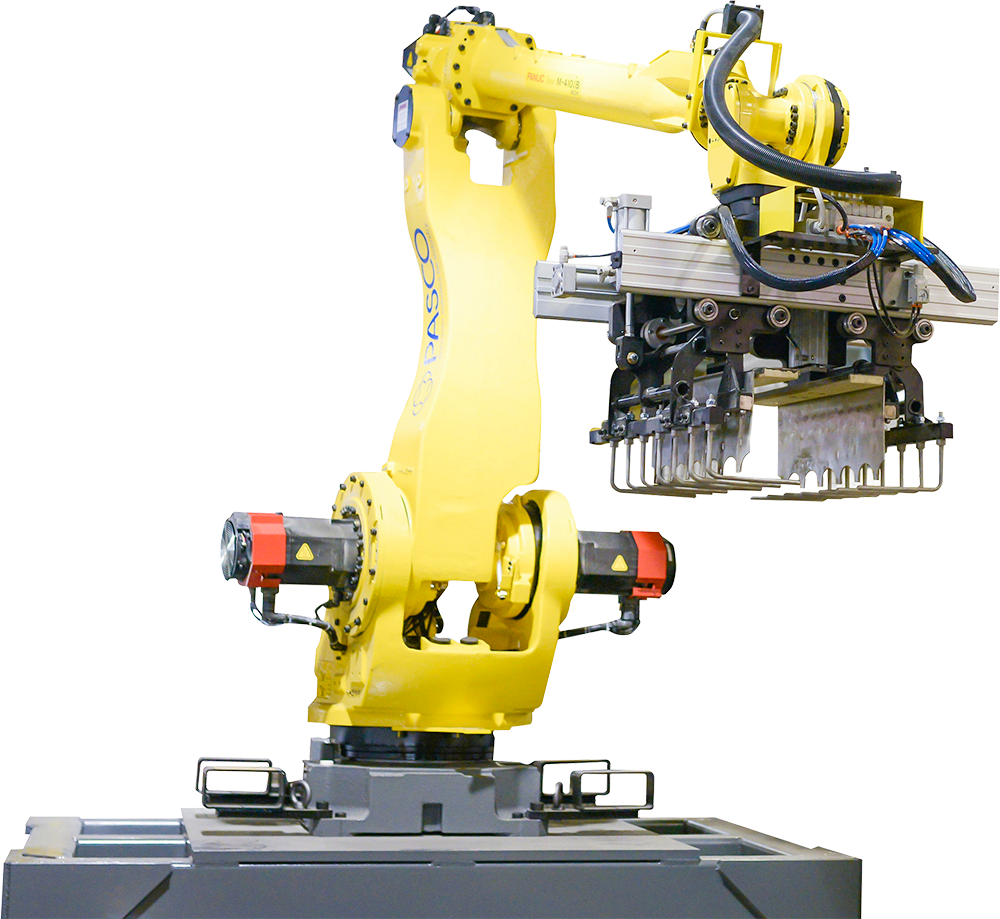
The customization options for keg palletizers include adjustable gripping mechanisms, configurable pallet patterns, and specialized programming to handle different keg sizes and shapes in the brewing environment.
How do keg handling systems improve workflow?
Keg handling systems improve workflow by automating the process of moving, stacking, and palletizing kegs, which streamlines operations and increases efficiency in brewing facilities.
What are the key features of keg handling equipment?
The key features of keg handling equipment include precision controls, adaptability to various keg sizes, and automation designed specifically for wet brewing environments.
How can keg palletizers enhance production speed?
Keg palletizers can enhance production speed by automating the process of stacking and unstacking kegs onto pallets, reducing manual labor and increasing efficiency in a brewery's keg handling operations.
What maintenance is required for keg handling systems?
The maintenance required for keg handling systems typically involves regular inspection, cleaning, and component replacement to ensure optimal performance and durability in the wet brewing environment.
How do automated systems reduce keg handling errors?
Automated systems reduce keg handling errors by providing precise control, minimizing human intervention, and ensuring consistent handling processes tailored to the specific requirements of brewing operations.
What is the lifespan of a keg palletizer?
The lifespan of a PASCO keg palletizer is typically 10-15 years with proper maintenance, designed to withstand the rigors of a wet brewery environment.
How do keg palletizers accommodate different keg shapes?
PASCO's keg palletizers are designed to handle a variety of keg shapes and sizes, accommodating the diverse needs of brewing operations through precise controls and adaptable systems.
What training is needed for operating keg equipment?
Operating keg equipment requires specialized training to ensure proper handling, maintenance, and safety protocols. PASCO provides comprehensive training programs to educate users on the efficient operation of its automated keg handling systems, tailored for the wet brewing environment.
How do keg handling systems ensure safety compliance?
PASCO's keg handling systems ensure safety compliance through precision controls, adaptability to various keg sizes, and specialized design for wet brewing environments, prioritizing worker safety and regulatory adherence.
What innovations are emerging in keg handling technology?
The innovations emerging in keg handling technology include advancements in automated systems, precision controls, and adaptability to various keg sizes for efficient handling in wet brewing environments.
How do keg palletizers manage heavy loads efficiently?
Keg palletizers manage heavy loads efficiently through advanced automation and precision controls, allowing for the safe and consistent handling of multiple heavy kegs simultaneously.
What are the energy requirements for keg handling systems?
The energy requirements for keg handling systems depend on the size and complexity of the automated solution, but generally they are designed to operate efficiently and minimize energy consumption in a brewery environment.
How do keg handling solutions support sustainability efforts?
Keg handling solutions support sustainability efforts by reducing waste, increasing efficiency, and minimizing the environmental impact of keg transportation and storage in brewing operations.
What troubleshooting tips exist for keg palletizers?
Troubleshooting tips for keg palletizers include ensuring proper sensor calibration, verifying alignment of keg grippers, and monitoring for any mechanical or electrical issues that may disrupt the automated palletizing process.
How do keg handling systems integrate with existing equipment?
PASCO's keg handling systems are designed to seamlessly integrate with existing brewing equipment, enabling efficient and automated keg management within the brewing environment.
What are the costs associated with keg handling automation?
The costs associated with keg handling automation can vary depending on the specific requirements of the brewery, the complexity of the automation system, and the size of the operation. Factors such as equipment costs, installation, and ongoing maintenance should be considered when evaluating the investment in keg handling automation.
How do keg palletizers improve labor productivity?
Keg palletizers improve labor productivity by automating the process of stacking and securing kegs onto pallets, reducing the manual effort required and increasing the speed and efficiency of keg handling operations.
What are the common challenges in keg handling?
The common challenges in keg handling include the need for precise controls, adaptability to various keg sizes, and managing the wet environment typical of brewing operations.
How do keg handling systems adapt to brewery growth?
Keg handling systems are designed to accommodate the growth and changing needs of breweries by offering modular and scalable solutions that can handle increasing keg volumes and accommodate different keg sizes efficiently.
What role does technology play in keg handling?
Technology plays a crucial role in keg handling, enabling automated solutions for efficient and precise keg management, handling, and palletizing, specifically designed for the brewing industry.
How can breweries optimize their keg handling processes?
Breweries can optimize their keg handling processes by implementing automated keg handling systems that provide precision controls and adaptability to various keg sizes in a wet brewing environment.
What are the best practices for keg storage?
Best practices for keg storage include maintaining the proper temperature, humidity, and cleanliness of the storage area to preserve the quality and freshness of the kegs.