RESOURCES
See how successful manufacturers automate their most challenging packaging processes through technical articles, real-world case studies and practical guides from the engineers who build the solutions.
When you invest in industrial automation, you’re entering a relationship that often lasts decades. PASCO® has spent nearly 50 years building end-of-line systems that hold up in real production environments not just during commissioning, but shift after shift, year after...
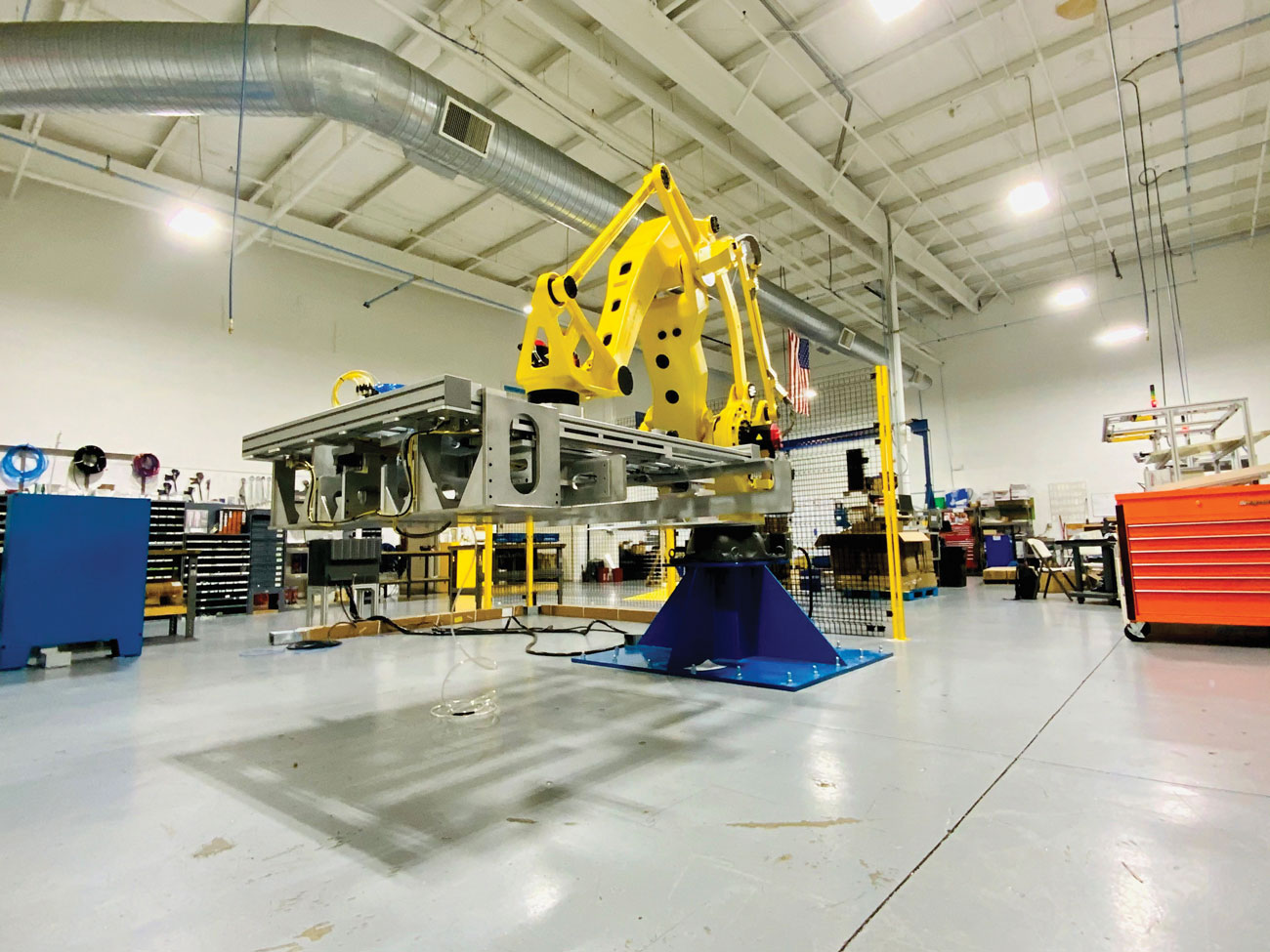
Palletizers automate the last step of production, stacking bags, cases, drums and other packaging types onto pallets. We’ve installed over 2,000 systems since 1976 for facilities running modern automated lines and operations where workers still hand-load products. This guide explains...
Selecting the ideal palletizing solutions partner Turning manual stacking into a reliable, automated process is one of the fastest ways to improve throughput, reduce costs, and reduce repetitive, injury-prone labor. Companies facing labor shortages, damaged product or bottlenecks at the...

pasco company, conventional vs robotic palletizing, productive automated systems corporation, pasco, cobot palletizer roi, palletizing roi, bundle palletizer, pasco palletizer, automation resources, pasco website, pasco com, industrial automation palletizers
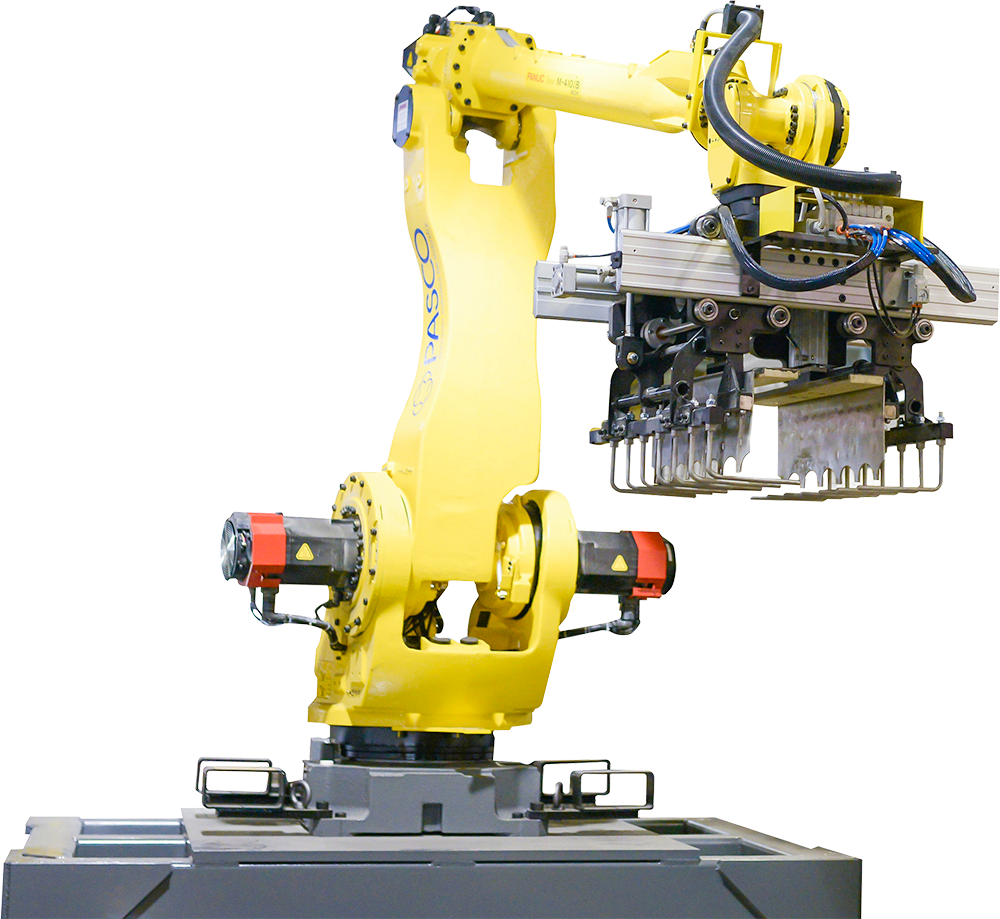
Automation technologies, such as robotic palletizing and collaborative robots, have become essential tools for manufacturers seeking to optimize their packaging lines and maintain a competitive edge. By integrating these advanced systems, businesses can reduce labor costs, enhance product quality, and streamline their operations.
Exploring the benefits of automation can help manufacturers identify the right solutions to suit their unique production needs and unlock new levels of efficiency and profitability. From improved ergonomics to enhanced data-driven decision-making, the advantages of robotic palletizing and cobot technologies are numerous and far-reaching.
Collaborative robots, or cobots, have emerged as a flexible and cost-effective option for palletizing automation. These advanced systems are designed to work alongside human operators, enhancing productivity and safety in the manufacturing environment.
When evaluating cobot palletizing solutions, it is crucial to consider factors such as safety features, payload capacities, and seamless integration with existing infrastructure. By carefully assessing these key considerations, manufacturers can ensure that their cobot palletizing investments deliver maximum return on investment and align with their operational goals.
Achieving optimal efficiency in packaging lines is a critical priority for manufacturers seeking to maintain a competitive edge in today's dynamic market. By exploring the latest advancements in robotic palletizing, case erectors, and other automation technologies, businesses can identify the best-fit solutions to enhance throughput, reduce costs, and improve product quality.
From automating the palletizing process to implementing advanced case handling systems, manufacturers can leverage a range of automation tools to transform their packaging operations. By embracing these innovative solutions, businesses can unlock new levels of productivity, flexibility, and profitability.
In the face of global market pressures and increasing competition, small and medium-sized manufacturers are turning to automation technologies to remain viable and profitable. By leveraging robotic palletizing, collaborative robots, and other advanced systems, these businesses can reduce labor costs, improve product quality, and enhance their overall competitiveness.
The hidden advantages of automation, such as improved ergonomics, reduced product damage, and enhanced data-driven decision-making, can significantly impact a manufacturer's bottom line. By exploring the full potential of these transformative technologies, businesses can position themselves for long-term success in the dynamic manufacturing landscape.