Frequently Asked Questions
How does industrial automation impact product quality?
Industrial automation can significantly improve product quality by ensuring consistent and precise manufacturing processes, reducing errors, and enhancing process control, thereby delivering high-quality and consistent products.
How does industrial automation enhance safety in the workplace?
Industrial automation enhances workplace safety by reducing human interaction with hazardous processes, automating repetitive tasks, and improving workplace ergonomics, thereby minimizing the risk of injuries and accidents.
What industries are most suitable for automation implementation?
Industries that are most suitable for automation implementation include manufacturing, logistics, food and beverage, and pharmaceuticals, as they often involve repetitive tasks and high-volume production that can benefit from increased efficiency and reduced errors.
How does automation enhance customer experience in industries?
Automation enhances customer experience in industries by increasing efficiency, reducing errors, and enabling faster delivery of products or services, ultimately leading to higher customer satisfaction.
How does industrial automation affect employment opportunities?
Industrial automation can both create and displace employment opportunities, as it automates certain tasks while generating new roles in design, maintenance, and monitoring of automated systems.
How does automation reduce production costs in industries?
Automation can reduce production costs in industries by increasing efficiency, improving quality, and minimizing labor and material expenses, thereby optimizing operational processes and enhancing overall profitability.
Can industrial automation be used in small-scale industries?
Industrial automation can be utilized effectively in small-scale industries, enabling improved efficiency, productivity, and competitiveness through customized solutions tailored to their specific operational needs and budget constraints.
What are the benefits of industrial automation in manufacturing?
The benefits of industrial automation in manufacturing include increased efficiency, improved product quality, reduced labor costs, and enhanced workplace safety.
What are the challenges of implementing automation in industries?
The challenges of implementing automation in industries include the high upfront costs, the need for specialized technical expertise, and the potential resistance to change from the workforce.
How does automation impact industrial productivity and quality?
Automation can significantly enhance industrial productivity and quality by streamlining processes, reducing human error, and improving consistency in manufacturing outputs.
What are the benefits of automation in manufacturing industries?
The benefits of automation in manufacturing industries include increased productivity, improved quality, reduced labor costs, and enhanced worker safety. Automation can streamline processes, minimize errors, and enable more efficient use of resources in manufacturing environments.
Can industrial automation reduce labor costs significantly?
Industrial automation can significantly reduce labor costs by automating repetitive tasks, improving efficiency, and decreasing the need for manual labor. Automation enables businesses to streamline operations and increase productivity while lowering staffing requirements.
How does automation improve efficiency in industrial processes?
Automation improves efficiency in industrial processes by reducing manual labor, increasing production speed, minimizing errors, and optimizing resource utilization, leading to enhanced productivity and cost-effectiveness.
What are the main components of an industrial automation system?
The main components of an industrial automation system typically include sensors, controllers, actuators, and software or programming interfaces to monitor and control industrial processes.
What is the future scope of industrial automation in industries?
The future scope of industrial automation in industries is expected to expand significantly, as it continues to drive increased efficiency, productivity, and cost-savings across various sectors.
What role does AI play in industrial automation systems?
AI plays a crucial role in enhancing industrial automation systems by enabling real-time data analysis, predictive maintenance, and adaptive control, ultimately improving efficiency, productivity, and decision-making in industrial operations.
Can automation improve worker safety in hazardous industries?
Automation can improve worker safety in hazardous industries by reducing human exposure to dangerous tasks, minimizing the risk of accidents, and enhancing overall workplace safety through the use of advanced robotics and control systems.
How does industrial automation improve production efficiency?
Industrial automation enhances production efficiency by automating repetitive tasks, reducing manual errors, and enabling faster and more consistent manufacturing processes, ultimately improving productivity and output.
What is the role of robotics in industrial automation?
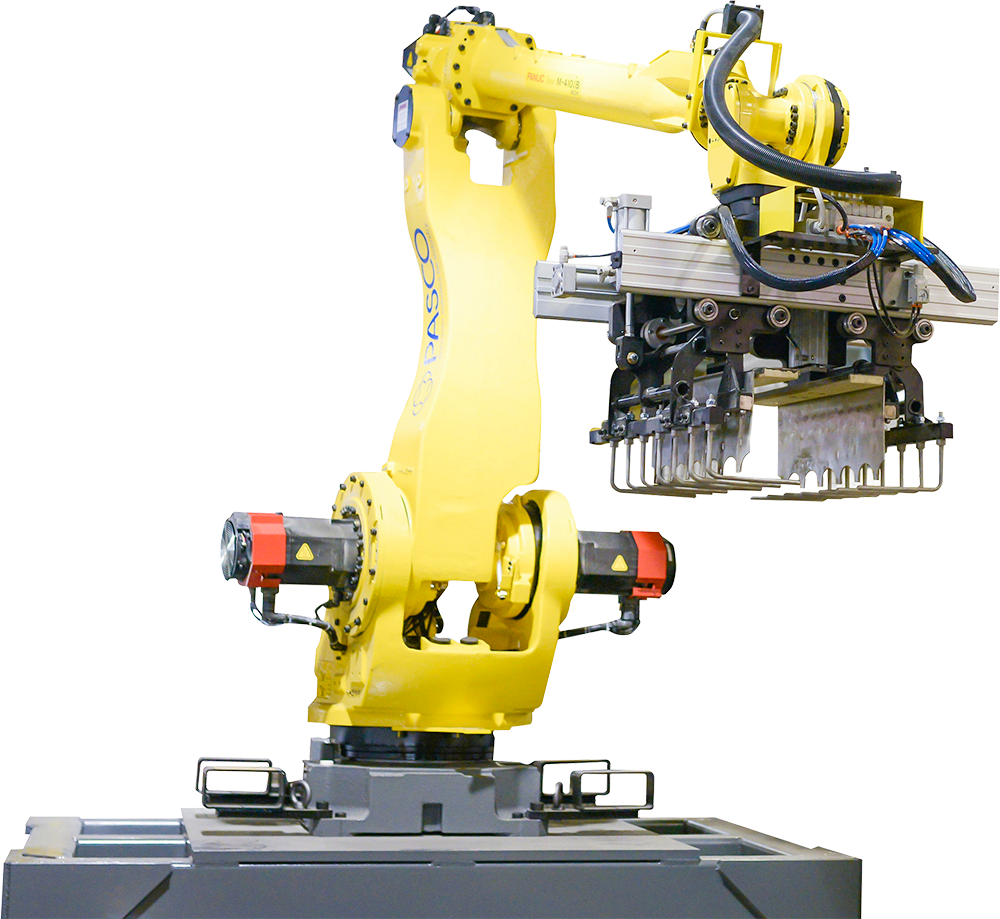
Robotics plays a crucial role in industrial automation, enhancing efficiency, precision, and productivity by automating repetitive tasks, improving quality control, and enabling flexible manufacturing processes.
What are the latest trends in industrial automation?
The latest trends in industrial automation include increased adoption of robotics, advanced sensors, and data analytics to enhance productivity, flexibility, and efficiency in manufacturing processes.
How can automation improve supply chain efficiency?
Automation can improve supply chain efficiency by streamlining processes, reducing errors, and increasing productivity throughout the supply chain. Automated systems can optimize inventory management, logistics, and order fulfillment, leading to faster delivery times and reduced costs.
What technologies drive industrial automation advancements?
Industrial automation advancements are driven by technologies such as robotics, machine learning, computer vision, and industrial internet of things (IIoT) that enhance productivity, efficiency, and flexibility in manufacturing and production processes.
How does automation affect product traceability?
Automation enhances product traceability by providing real-time data capture, streamlined documentation, and detailed records throughout the production and supply chain, enabling businesses to effectively track and trace their products.
What are common misconceptions about industrial automation?
Common misconceptions about industrial automation include the belief that it reduces job opportunities, is overly complex, and is only suitable for large-scale operations. In reality, automation can enhance worker productivity, simplify operations, and benefit businesses of all sizes.
How can small businesses implement automation solutions?
Small businesses can implement automation solutions by identifying repetitive tasks, investing in user-friendly automation tools, and gradually integrating them into their workflows to enhance efficiency and productivity.
What role does data analytics play in automation?
Data analytics plays a crucial role in automation by providing insights that drive optimization, efficiency, and decision-making within automated systems and processes.
How does automation influence regulatory compliance in industries?
Automation can enhance regulatory compliance in industries by ensuring consistent and precise processes, improving data tracking, and reducing human error, thereby helping organizations adhere to industry standards and legal requirements.
What are the environmental impacts of industrial automation?
The environmental impacts of industrial automation can include reduced energy consumption, lower greenhouse gas emissions, and decreased waste through optimized processes and increased efficiency.
How can automation enhance quality control processes?
Automation can enhance quality control processes by providing consistent, precise, and real-time monitoring of critical parameters, allowing for faster identification and correction of issues to ensure product quality and compliance.
What skills are needed for automation system management?
The skills needed for automation system management include technical expertise in programming, troubleshooting, and maintenance, as well as problem-solving, communication, and project management abilities to ensure efficient system operations.