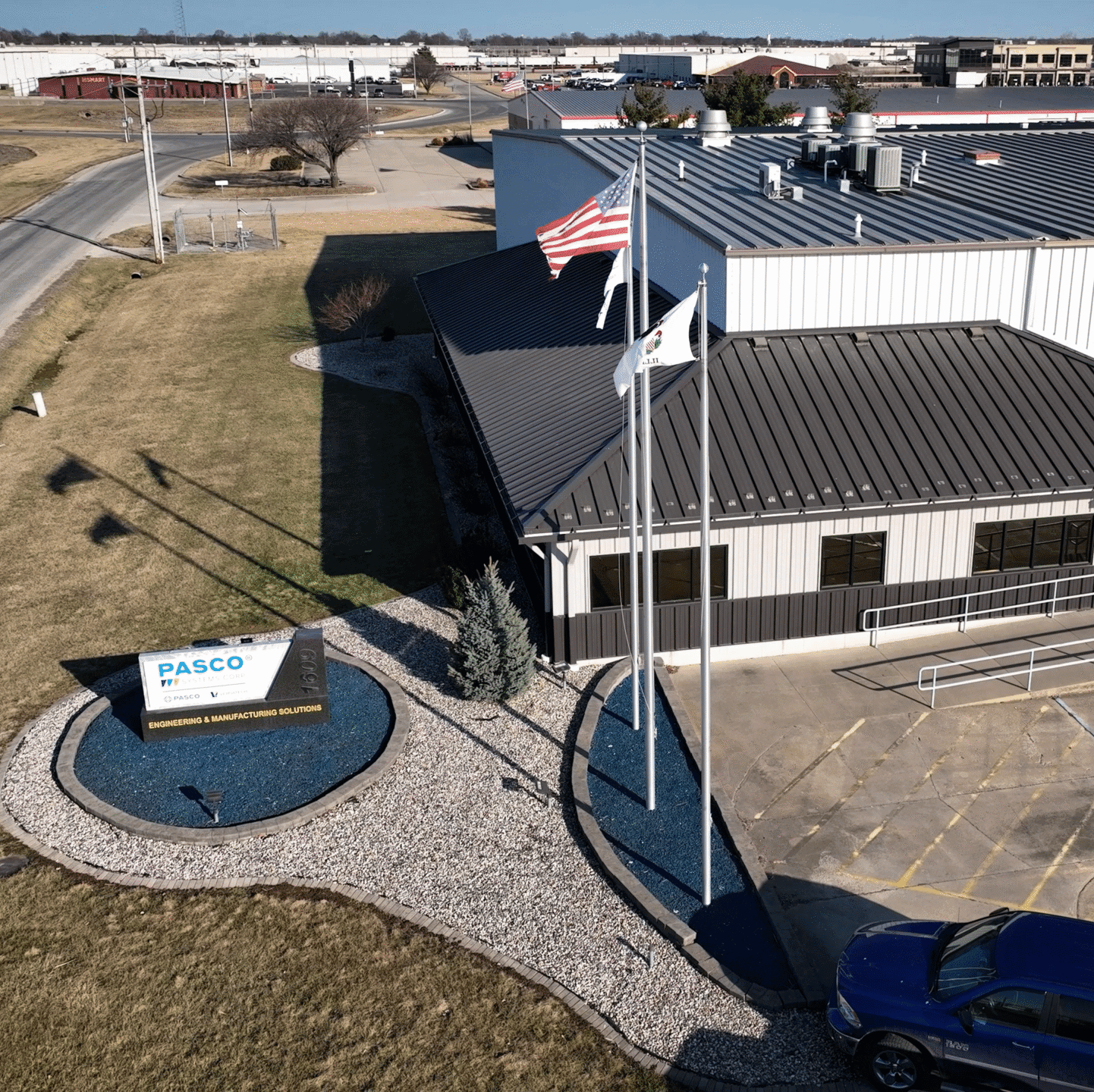
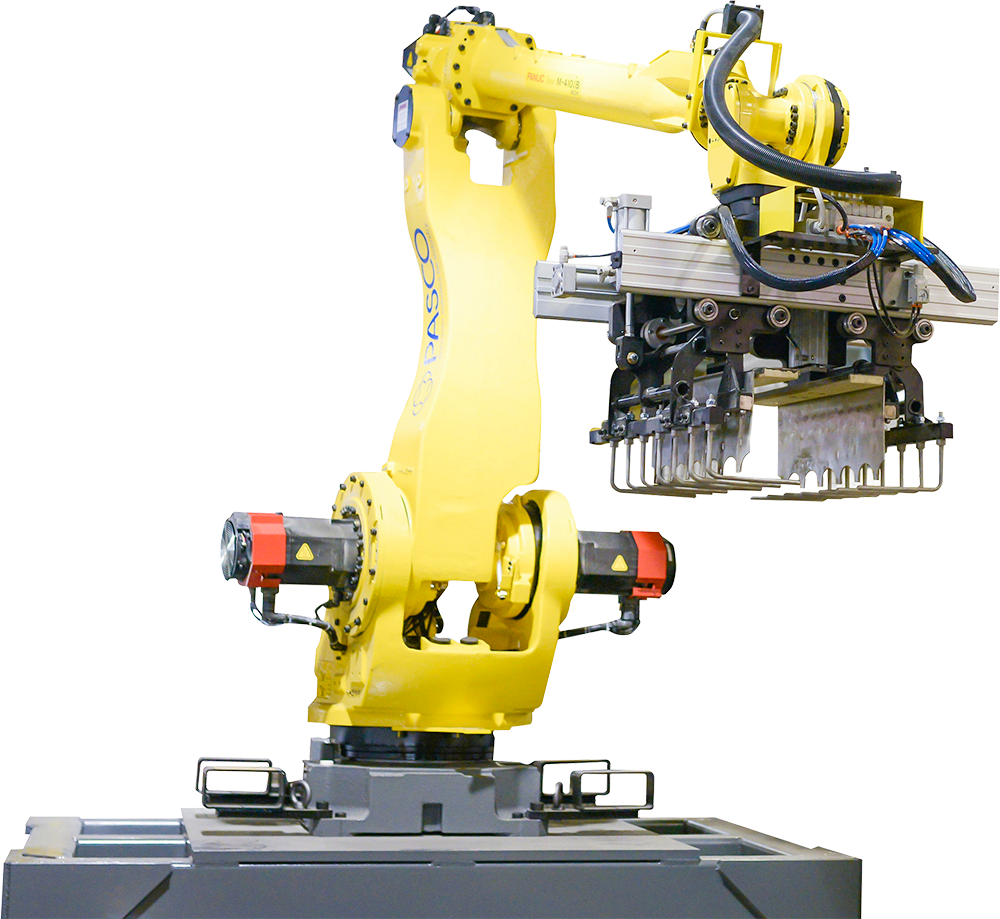
If you have been around manufacturing for any length of time, you know most automation projects are not built on a clean sheet of paper. Equipment is already in place, the line has history and different machines came from different vendors at different points in time. Then a new system has to walk in and run cleanly with all of it. As of 2026, PASCO has been working in that environment for 50 years.
Even when the scope is end-of-line, the work rarely stops there. Our systems still have to tie into upstream equipment that we did not build. Conveyors, case packers, baggers, wrappers, checkweighers, legacy controls. Most customers inherit that mix over time, and it still has to perform as one line.
Over the years, that reality made something clear. The more automation a facility adds, the more important those handoffs become.
Integration Is Where Lines Succeed or Struggle
From the outside, it is easy to focus on the robot or the palletizer itself. On the floor, the harder part is usually the interfaces. Product flow. Line speed. Signal timing. Fault recovery. What happens when one machine pauses and the rest of the line keeps moving.
When automation is added to an existing facility, those details show up quickly. If the end of the line cannot keep pace, production backs up. If upstream equipment is inconsistent, the impact shows up downstream. If controls are not aligned, operators end up bridging the gaps.
Informed integration work keeps those issues from becoming daily problems.
Why Versatech Made Sense
In 2023, PASCO (Pasco Systems Corp) acquired Versatech to strengthen our upstream process automation capability. We were already integrating into complex customer environments every day, tying our end-of-line systems into equipment we did not build and it made sense to bring more of that upstream process expertise into the same team.
Versatech added experience in manufacturing process automation, the kind of work that affects how product reaches packaging in the first place, and that stronger upstream understanding helps us plan integrations more cleanly, connect systems with fewer gaps and support customers more effectively once everything is running.
Stronger Integration, Even with Existing Equipment
This does not mean every project becomes a full upstream rebuild. Many facilities have good equipment in place that simply needs to work better together. What changed is our ability to support the full line more effectively. The added process knowledge helps us anticipate upstream behavior, align controls more cleanly, and design end-of-line systems that fit more naturally into the existing environment.
In short, it helped make us a stronger integrator, even when we are working with equipment that is already on the floor.
What This Means for Customers
End-of-line automation is still the foundation of the business. That has not changed. What customers gain is more flexibility in how projects can be approached.
When upstream automation is part of the plan, the same team can stay involved earlier in the process. When the need is strictly packaging or palletizing, the focus stays there. The difference is that the path is wider than it used to be.
For customers, that often means fewer coordination gaps and a smoother line once everything is running.
Fifty Years In
Automation has changed quite a bit over the past five decades. Lines move faster, systems are more connected and expectations are higher across the board.
The Versatech acquisition in 2023 was one step in keeping pace with that shift. It builds on the end-of-line experience PASCO has developed over the last fifty years and strengthens how we support customers as their automation needs continue to grow.
What are the common applications of industrial automation?
Common applications of industrial automation include packaging, palletizing, material handling, quality control, and assembly processes, helping manufacturers improve efficiency, consistency, and safety in their production workflows.
What are the benefits of automated palletizing systems?
Automated palletizing systems offer increased efficiency, accuracy, and consistency in packaging processes, enabling businesses to streamline operations, reduce labor costs, and enhance product quality.
How does automated equipment enhance product quality?
Automated equipment enhances product quality by ensuring consistent manufacturing processes, reducing human error, and enabling real-time quality control monitoring to identify and rectify issues promptly.
What is the initial investment for automated equipment?
The initial investment for automated equipment can vary depending on the complexity of the system, the features required, and the scale of the operation. Automated equipment can require significant upfront costs, but the long-term benefits of increased efficiency and reduced labor costs can often justify the investment.
How does industrial automation improve worker safety?
Industrial automation reduces worker exposure to hazardous tasks, minimizing safety risks and improving overall workplace safety by automating dangerous processes and reducing the need for human intervention.
What types of industries use automated equipment most?
Industries that rely heavily on automated equipment include manufacturing, packaging, warehousing, and logistics, where automated systems improve efficiency, productivity, and consistency in repetitive tasks.
What is the primary goal of industrial automation in manufacturing?
The primary goal of industrial automation in manufacturing is to improve efficiency, productivity, and consistency in the production process.
What are the benefits of using automated equipment in manufacturing?
The benefits of using automated equipment in manufacturing include increased efficiency, improved product quality, reduced labor costs, and enhanced safety in harsh industrial environments.
Can automated equipment be integrated with existing systems?
Yes, automated equipment can typically be integrated with existing systems. PASCO's automation solutions are designed for seamless integration, allowing clients to enhance their existing operations with advanced packaging and processing capabilities.
What is the role of robotics in industrial automation?
Robotics plays a crucial role in industrial automation by enhancing precision, speed, and efficiency in manufacturing processes, enabling businesses to optimize production, reduce errors, and increase overall productivity.
What types of products are commonly palletized?
Common products palletized are items such as packaged goods, boxes, crates, drums, and other bulk materials that can be stacked efficiently for storage and transportation.
How does industrial automation reduce production costs?
Industrial automation reduces production costs by improving efficiency, reducing labor expenses, and increasing output consistency and quality, leading to lower overall operational costs.
Can industrial automation replace human workers completely?
Industrial automation can enhance productivity and efficiency, but completely replacing human workers may not be feasible or desirable in many industries due to the need for specialized skills, flexibility, and human judgment.
pasco systems, pasco, pasco equipment, productive automated systems corporation, automation equipment, process automation solutions